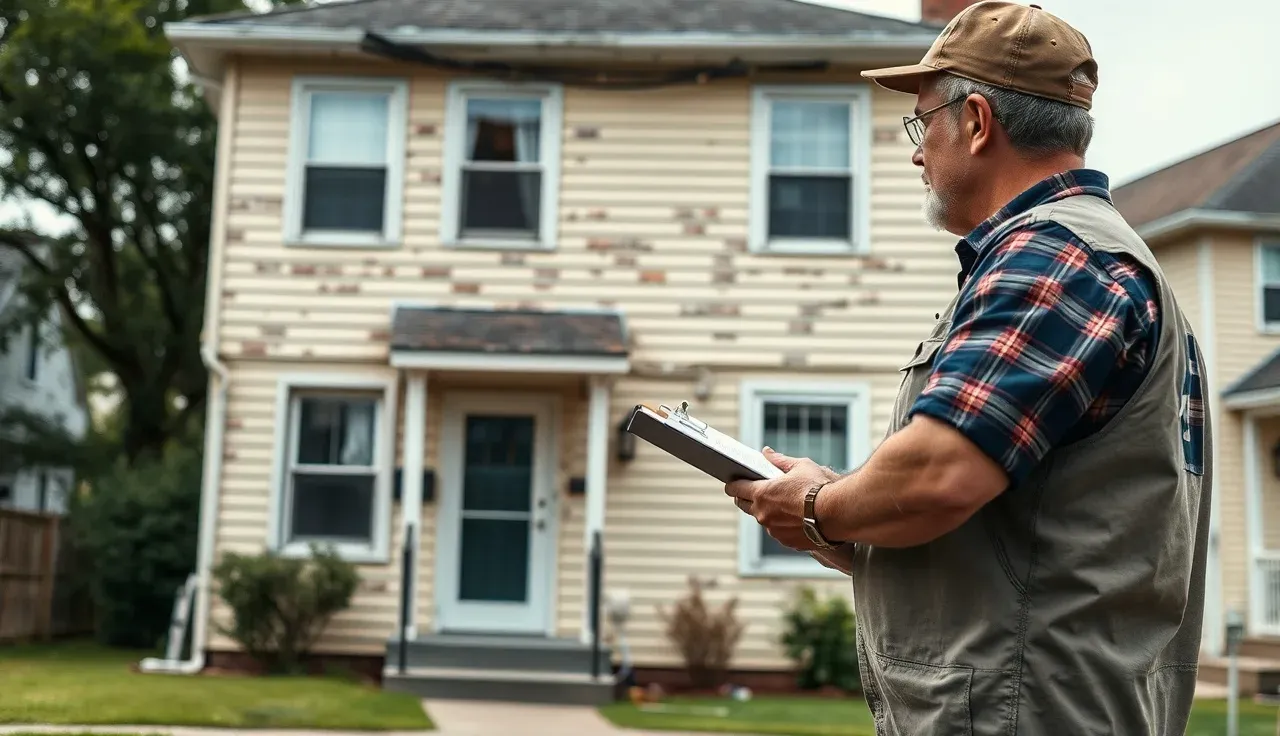
A failed housing inspection can put a landlord under immediate pressure. The repair itself often gets most of the attention because that is the visible problem: a loose handrail, damaged fixture, electrical issue, plumbing fault, or another condition identified during the inspection.
Once the contractor leaves, however, the compliance work may not be finished. Owners still need to confirm that the cited condition was corrected, keep useful records, and follow the certification or follow-up process required for that particular case. Skipping that stage can leave an issue hanging around longer than expected.
Read the Inspection Notice Before Calling a Contractor
It is tempting to arrange repairs immediately after receiving an inspection notice. That may be necessary, but the notice should be read closely first. One apartment can have several failed items, each with its own location and description.
A simple checklist can help. Match every cited condition with the repair that will address it, then mark each item only after the work has actually been completed. This reduces the chance of fixing the obvious problem while overlooking something else on the same notice.
Keep Repair Evidence While It Is Easy to Find
A contractor’s invoice, photographs, work order, and payment receipt may all become useful later. Gathering them at the time of the repair is much easier than trying to track them down several weeks afterward.
Property managers handling several units should be especially careful about labeling records. Apartment numbers, repair dates, and the exact condition corrected should be easy to identify. Good files do not need to be complicated; they just need to tell a clear story.
Certification Needs to Match the Work Completed
Owners sometimes think the repair and the certification are basically the same task. They are not. The repair corrects the physical condition. Certification deals with documenting that the required work has been completed and submitting the appropriate information.
Professional HQS Certification Services can help owners manage that second stage when inspection-related paperwork becomes difficult to follow. The important point is that certification should reflect work that has genuinely been finished, not work that is still planned.
Avoid Treating Every Failed Inspection the Same Way
One of the easiest mistakes is assuming that a process used for one property will automatically apply to another. Different notices, programs, inspection outcomes, or follow-up requirements can change what needs to happen next.
That is why the actual documents matter. Instead of relying on what happened last year at another unit, review the current notice and any instructions attached to it. Small differences can affect whether additional paperwork, supporting evidence or another inspection is required.
Compliance Is Easier With One Person in Charge
When several people handle a property, responsibility can become unclear. A superintendent may arrange the repair, an office employee may receive the paperwork, and the owner may assume someone else confirmed that the matter was closed.
Using HQS Compliance Services or establishing an internal compliance routine can help create a cleaner handoff. Someone should know when the repair was completed, what documents were gathered, when the response was submitted, and whether anything remains outstanding.
Follow Up After the Paperwork Goes Out
Sending documents does not always mean the file can be forgotten. Keep proof of submission and make a note of when the case should be checked again. If another document is requested, a clear record makes responding much easier.
This step is particularly important for owners with several assisted units. One unfinished compliance matter can easily disappear among rent collections, maintenance requests, renewals, and new inspections unless there is a simple tracking system in place.
Do Not Wait for the Next Inspection to Find the Same Problem
A failed item can also reveal a maintenance pattern. If a door repeatedly fails to close properly or a leak keeps returning, another quick repair may not solve the underlying cause.
After closing an inspection issue, take a minute to ask whether similar conditions exist elsewhere in the building. Catching them during routine maintenance is usually easier than finding out about them through another formal inspection.
Build a Small File for Every Inspection
A useful inspection file might contain the original notice, repair records, photographs, invoices, correspondence, and proof of certification or submission. Keeping these items together makes future questions easier to answer.
The system does not need expensive software. A clearly named digital folder and a simple tracking sheet can be enough for a small landlord. What matters is being able to find the history of the case without rebuilding it from memory.
Conclusion
Passing through an inspection issue successfully involves more than completing a repair. Owners also need to understand the notice, document the work, manage the required certification, and keep track of the case until the next step is clear.
Property owners who need support with repair, certification and housing compliance paperwork can learn more at certifymyviolations.com. A steady process makes it easier to deal with inspection problems without turning every violation into an administrative scramble.