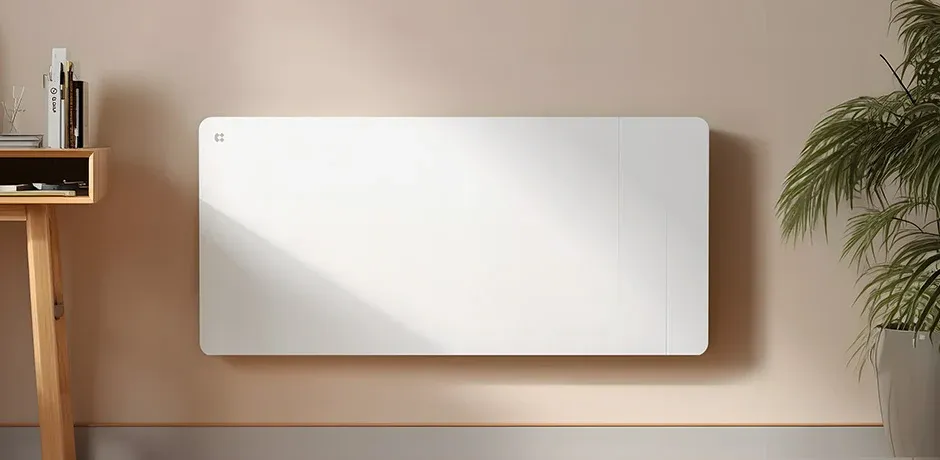
When the temperature drops, having a reliable heating system becomes more than just a convenience. It is about creating a comfortable living environment where you can relax, work, and enjoy time with your family. While traditional heating systems have served households for generations, modern homeowners are increasingly exploring alternatives that combine attractive designs with practical performance. One option gaining attention is the ceramic radiator.
Designed to provide consistent warmth while complementing contemporary interiors, ceramic radiators offer an interesting approach to home heating. Their ceramic components are known for their ability to absorb and retain heat, making them appealing to people who value comfort and thoughtful energy use. Whether you are renovating a property, upgrading an older heating system, or simply looking for a more attractive heating solution, understanding how these radiators work can help you make a better decision.
What Exactly Is a Ceramic Radiator?
A ceramic radiator is a heating appliance that uses ceramic material as part of its heat-producing or heat-retaining system. Depending on the design, electricity heats an internal ceramic element, which then transfers warmth into the surrounding space.
Ceramic is particularly interesting because it can store thermal energy and release it gradually. Instead of relying entirely on an exposed heating element, some ceramic heating designs use the material’s thermal properties to maintain a more consistent feeling of warmth.
These radiators come in different shapes, sizes, and styles. Some are compact enough for bedrooms and home offices, while others are designed to provide additional warmth in larger living spaces.
Why Are Ceramic Radiators Becoming Popular?
Homeowners today expect more from their heating appliances. A radiator should provide sufficient warmth, fit comfortably into the available space, and ideally look good as part of the room.
Ceramic radiators appeal to these expectations for several reasons.
First, their heat-retaining properties can help provide warmth even after the heating element switches off, depending on the appliance’s construction. Second, many modern models feature simple controls and programmable settings. Finally, their designs often suit homes where traditional bulky radiators would look out of place.
Another reason behind their growing appeal is the wider interest in energy-conscious living. People are paying closer attention to how their homes consume electricity and which appliances offer practical heating performance.
The Benefits of Choosing a Ceramic Radiator
1. Consistent and Comfortable Warmth
One of the most appealing characteristics of ceramic heating technology is its ability to retain thermal energy. Ceramic material absorbs heat and releases it over time, helping create a more gradual heating experience.
This can be particularly useful in bedrooms, studies, and smaller living areas where maintaining a comfortable temperature matters.
However, the actual performance depends on the radiator’s wattage, insulation, room size, and thermostat settings.
2. Modern Designs for Contemporary Homes
Heating appliances do not have to be unattractive. Modern ceramic radiators are available in designs that complement different interior styles.
From minimalist white finishes to sleek wall-mounted models, there are options for homeowners who want their heating equipment to blend naturally into the surroundings.
For smaller properties, compact designs can also help make better use of limited floor space.
3. Convenient Temperature Controls
Many contemporary electric ceramic radiators include adjustable thermostats, timers, and different heating modes.
These features make everyday operation easier. You can select a comfortable temperature, schedule heating around your routine, and avoid running the appliance unnecessarily.
Some advanced models also include digital displays and remote-control functionality.
4. Potential Energy Savings Through Better Control
A ceramic radiator does not automatically consume less electricity than every other electric heater. Its efficiency depends on how it is designed and operated.
Nevertheless, programmable controls and accurate thermostats can help prevent unnecessary heating.
For example, there is little reason to maintain a high temperature in an unused guest room throughout the day. Setting heating schedules around actual occupancy can make a noticeable difference to household energy management.
5. Quiet Operation
Many electric ceramic radiators operate without the noticeable noise associated with certain fan-assisted heaters.
This makes them attractive for environments where peace and quiet are important, including bedrooms, reading corners, and home offices.
Always check the manufacturer’s specifications, as some models include fans or other components that produce operating noise.
Ceramic Radiators vs Traditional Electric Heaters
Choosing between heating appliances can be confusing, particularly when several products promise similar benefits.
Traditional electric fan heaters generally warm rooms quickly by circulating heated air. They are useful when you need temporary warmth, but their fans can create noise and moving air.
Ceramic radiators, on the other hand, use ceramic components to store and transfer heat. Depending on the model, they may provide a steadier heating experience and continue releasing some stored warmth after the element switches off.
Oil-filled electric radiators also retain heat and release it gradually. However, they use a different heat-storage medium and often have a different physical design.
There is no universal winner. The best option depends on how quickly you need warmth, how frequently the room is occupied, and your preferred heating arrangement.
Where Should You Install a Ceramic Radiator?
The right location can make a considerable difference to heating comfort.
Bedrooms: A ceramic radiator with a programmable thermostat can help maintain a comfortable sleeping environment. A timer allows you to schedule heating before bedtime or in the morning.
Living Rooms: These spaces often require longer periods of heating. Choose a model with sufficient output for the room’s dimensions and insulation level.
Home Offices: If you spend several hours working in one room, a compact radiator can provide convenient supplementary warmth without heating the entire property.
Guest Rooms: Rooms that are used occasionally can benefit from controllable heating, allowing you to warm the space when visitors arrive.
Conservatories: These spaces can lose heat quickly because of their windows and external surfaces. Before choosing a radiator, check whether its output is suitable for the room’s heat loss.
How to Choose the Right Ceramic Radiator
Buying a radiator simply because it looks attractive can lead to disappointing results. A little research beforehand will help you find an appliance that matches your requirements.
Consider the Room Size
Start by measuring the room. Larger spaces generally require greater heating output, while smaller bedrooms may need less.
Ceiling height, window size, insulation quality, and external walls also influence heating requirements.
Check the Wattage
Wattage indicates the appliance’s electrical power consumption and provides an important starting point when comparing models.
A higher-wattage radiator can produce more heat, but it will also draw more electricity while operating at full power. Choose a model that suits the room rather than automatically selecting the most powerful option.
Look for a Reliable Thermostat
A good thermostat helps maintain your selected temperature by controlling when the heating element operates.
This is particularly useful when you want to avoid overheating a room or wasting electricity.
Explore Programmable Features
Timers and programmable schedules are valuable additions for busy households.
If your daily routine follows a predictable pattern, you can arrange heating around the times you actually use each room.
Examine Safety Features
Safety should never be an afterthought. Look for appropriate overheat protection, stable construction, and any additional safety features recommended for your intended installation.
For households with children or pets, positioning and surface-temperature considerations are especially important.
Are Ceramic Radiators Expensive to Run?
Running costs are one of the first things people consider when purchasing an electric heating appliance.
The good news is that estimating the cost is relatively straightforward.
Use this simple formula:
Electricity cost = Power (kW) × Operating hours × Electricity price per kWh
For example, a 1.5 kW radiator operating for four hours at an electricity rate of £0.25 per kWh would cost approximately £1.50.
Actual consumption may be lower if the thermostat switches the heating element off periodically. However, the result depends on the room’s heat loss, selected temperature, and outside conditions.
It is also important to remember that ceramic construction does not create free heat. Like other resistance-based electric heaters, ceramic electric radiators convert electrical energy into heat. Their main advantages may come from heat storage, temperature control, and the way they deliver warmth rather than a fundamentally higher electricity-to-heat conversion efficiency.
Simple Maintenance Tips for Long-Term Performance
Most ceramic radiators require relatively little maintenance, but regular care can help keep them operating properly.
Start by keeping the exterior clean and removing dust according to the manufacturer’s instructions. Dust accumulation around air openings can affect appliances that use ventilation.
Avoid covering the radiator with clothing, towels, or other materials, as this can restrict heat distribution and create safety concerns.
Check the power cable, plug, and controls periodically for visible damage. If you notice unusual smells, electrical problems, or overheating, switch the appliance off and seek professional assistance.
For wall-mounted models, make sure the brackets and fittings remain secure. Always follow the manufacturer’s cleaning and servicing recommendations.
The Future of Comfortable Home Heating
Modern heating is moving towards greater convenience, better temperature management, and designs that fit naturally into everyday living.
Ceramic radiators are one example of how familiar heating technology can be adapted to meet changing household expectations. With improved controls, attractive finishes, and different installation options, they offer homeowners another way to approach indoor comfort.
As smart-home technology becomes more common, programmable heating and connected controls are also likely to play an increasingly important role in how people manage their indoor environments.
The most sensible approach is to choose appliances based on genuine heating requirements rather than marketing promises. Good insulation, appropriate radiator sizing, and responsible temperature settings remain essential parts of an efficient home.
Final Thoughts
A comfortable home is built around the little details that make everyday life easier, and reliable heating is certainly one of them. A well-chosen ceramic radiator can provide convenient warmth, attractive styling, and useful temperature-control features, making it worth considering for bedrooms, offices, and other living spaces. Before purchasing, compare heating output, running costs, safety features, and installation requirements to ensure the appliance meets your needs. You can also explore complementary home appliances and modern kitchen solutions from brands such as Ciarra One when planning a more practical and comfortable living space.
